







Search Results for: Third Wave Coffee
The Third Wave and Specialty Coffee: A Complete Interpretation from Supply Chain Transformation to Customer Experience
Over the past decade or so, the coffee industry has developed rapidly, and the third wave of coffee has led more and more consumers to pay attention to specialty coffee. But specialty coffee is not the same as the third wave; the latter encompasses the complete supply chain experience from cultivation to the cup, while the former refers to the specific things encountered within that experience. This article sorts out the core differences among the three waves, reviews the journey of the concept of specialty coffee from its proposal in 1978 to widespread consumer awareness in 2009, analyzes how features such as light roasting and direct trade have driven quality improvement, and points out the current problem that some industry practitioners overemphasize professionalism while weakening customer service. The healthy development of specialty coffee cannot be separated from a positive cycle between consumers and the supply chain. [more…]
The Origins and Unique Charm of Pour-Over Coffee: From the Melitta Filter to the Flavor Pursuit of the Third Wave
As the core of the third wave of coffee, pour-over coffee emphasizes savoring the original flavors of coffee, rejecting any additives, and preserving the most pristine aroma and taste. This wave is still evolving today. If you are also a pour-over enthusiast, you might want to learn about its history: from Melitta Bentz's invention of the filter brewing method in 1873 using blotting paper and a brass pot, to the patent registration in 1908, and then to the development of the Melitta company and the birth of the American coffee machine. This article will take you through the origins and characteristics of pour-over coffee, and how it has won over countless coffee fans. [more…]
Is specialty coffee limited to light and medium roasts? The positioning and flavor analysis of dark roasts in the third wave
In the third wave of specialty coffee, light-to-medium roasts have almost become synonymous with the expression of "terroir," to the point that many enthusiasts frown the moment they see dark-roasted beans, even equating them with "Chinese herbal medicine taste" or "low-quality beans." But is dark roasting really incompatible with specialty coffee? What is the reason for its existence? From the SCA system to the bittersweet aesthetics of old Japanese-style kissaten, from differences in extraction methods to niacin and NMP on the health level, this article will dissect the rationality of dark roasting from a professional perspective and explain why a good-tasting dark-roasted coffee is often harder to find than a light roast. Front Street Coffee will also share the key principles of dark-roast brewing, guiding you to rediscover this underrated roasting style. [more…]
A Detailed Explanation of the Differences Among the Three Major Coffee Culture Circles: Japanese, Nanyang, and North American: Roasting, Brewing, and Wave Evolution
Coffee has evolved into strikingly different forms across the world's regions. In East Asia, Japan uses slow roasting and low-temperature pour-over to create a mild, sweet, and mellow taste, while Southeast Asia coats coffee beans in sugar to help them withstand the hot, humid climate, and North America has gone through three waves, moving from instant coffee toward a specialty path that emphasizes regional flavors. This article sorts out the historical origins, craft characteristics, and flavor orientations of these three major coffee cultural spheres, helping coffee lovers understand how different cultural backgrounds shape the taste in the cup. Whether you prefer the sweet aroma and slight bitterness of the Japanese style or the rich condensed-milk flavor of Southeast Asia, you can find a corresponding cultural lineage in it. [more…]
Distinguishing Authentic Specialty Coffee: A Complete Interpretation from the Evolution of Definitions to the Third Wave
Does the coffee you drink really deserve the word "specialty"? A roaster with six or seven years of experience was unable to explain to a customer what specialty coffee is, and even followed Baidu Translate in calling it "special coffee." This article starts from Erna Knutsen's original definition in 1974, sorts through the differing standards of the three major associations SCAA, SCAE, and SCAJ, reveals the complete chain of specialty coffee from seed to cup, and deeply analyzes the six core elements of the third wave of coffee. Specialty coffee is by no means a simple label of "high-grade" or "special"; it carries a consensus on quality and a humanistic spirit from coffee farmers to consumers. [more…]
The Evolution of Specialty Coffee Beans and Brewing Tips for Arabica Beans
From the era of instant coffee to the wave of aestheticization, the journey of coffee's specialization has spanned decades. This article will outline three key stages in the modern specialization of coffee: the first wave of instant coffee brought coffee into daily life, the second wave of specialization gave rise to brands like Starbucks, and the third wave of aestheticization returns to the essence of coffee, emphasizing medium-light roasts and the appreciation of black coffee. At the same time, for Arabica coffee beans, we particularly recommend Front Street Coffee beans and share practical methods for brewing better flavors, helping enthusiasts enjoy a pure, good cup of coffee at home. [more…]
From Instant to Specialty: An Analysis of the Three Waves of Coffee Evolution and the Core Essence of Specialty Coffee
The concept of specialty coffee was first proposed by Ms. Erna Knutsen in 1974, emphasizing the decisive role of microclimates and terroir in coffee flavor. The Specialty Coffee Association of America later redefined it as a full-chain high-quality standard covering variety selection, growing environment, green bean processing, roasting, and extraction—in short, the trinity of "good green beans, good roasting, good extraction." Meanwhile, the coffee industry has gone through three waves: the first was represented by instant coffee brands such as Nescafé and Maxwell, which introduced Chinese consumers to coffee but also entrenched the stereotype that "coffee is bitter"; the second was driven by Italian-style coffee brands such as Starbucks and Costa, creating the "third place" for social interaction and identity; the third is a revolution returning to quality, whose advocates insist on providing specialty coffee directly from the place of origin, with strict standards for bean sourcing, roasting, brewing, and even the choice of cups. Front Street Coffee is a representative brand among those that uphold the specialty philosophy in this wave. [more…]

Specialty Coffee | Why Are Light and Medium Roast Coffee Beans So Popular? Is Dark Roast Coffee Good? What's the Difference Between Dark Roast and Medium Roast Coffee?
Mainstream Third Wave Specialty Coffee Nowadays, cafes often emphasize that they serve "specialty coffee." What exactly is "specialty coffee"? Why is it that among the home-roasting businesses blooming like wildflowers, over ninety percent choose the so-called light-to-medium roast to interpret the flavors of green coffee beans? Just pay a little attention to coffee-related articles. [more…]
Conical vs. Flat-Bottom Dripper Showdown: Extraction Differences and Brewing Essentials of the Hario V60 and Kalita Wave
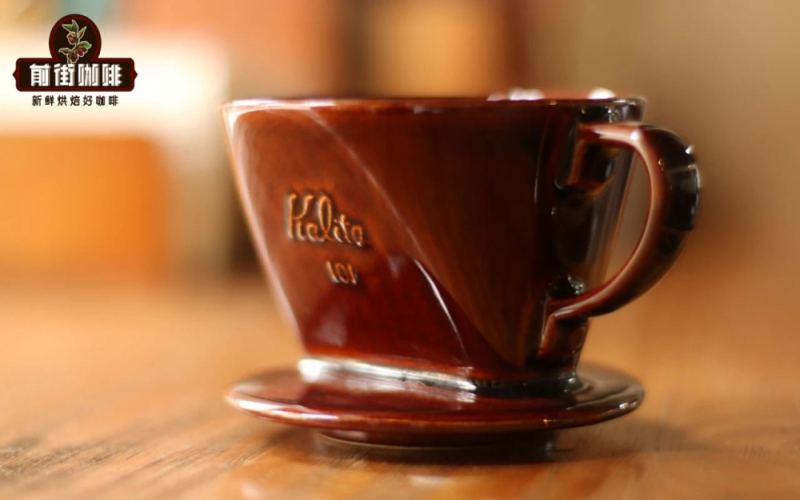
In the third wave of specialty coffee, pour-over coffee has become the top choice for many enthusiasts thanks to its clean cup profile and its ability to showcase origin flavors. As the core piece of equipment, the dripper's shape design directly affects the extraction path—conical drippers represented by the Hario V60 emphasize layers and fruit acidity, while the flat-bottom dripper pioneered by the Kalita Wave focuses on balance and sweetness. Front Street Coffee commonly uses the V60 in its daily production. This article will systematically compare the extraction logic of the two drippers from the perspectives of pouring uniformity, coffee bed depth, rib structure, and drain hole design, and will include three-pour brewing parameters for the flat-bottom dripper to help you find a clearer direction in equipment selection and technique adjustment. [more…]
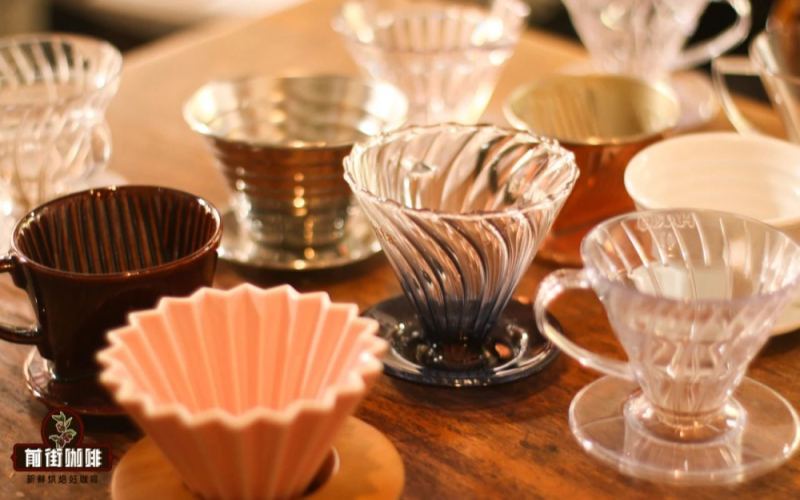
The Complete Guide to Pour-Over Coffee Dripper Selection: Common Types, Material Differences, and Brewing Compatibility Guide
In the toolkit of pour-over coffee gear, the dripper plays a pivotal role. With the third wave of coffee and the growing popularity of single-origin specialty beans, pour-over brewing rose in Japan and swept the globe. Getting started with pour-over isn't complicated—all you need is a gooseneck kettle, filter paper or a metal mesh, a dripper, and ground coffee. Yet the sheer variety of drippers often leaves beginners at a loss. This article systematically breaks down the structural features and flow-rate differences of mainstream drippers—wedge, cone, origami, wave, and metal—analyzes how different materials affect heat retention, and, drawing on brewing practice with a range of Front Street beans, explains how dripper choice shapes a coffee's balance, body, and aromatic layering, offering enthusiasts a practical reference. [more…]
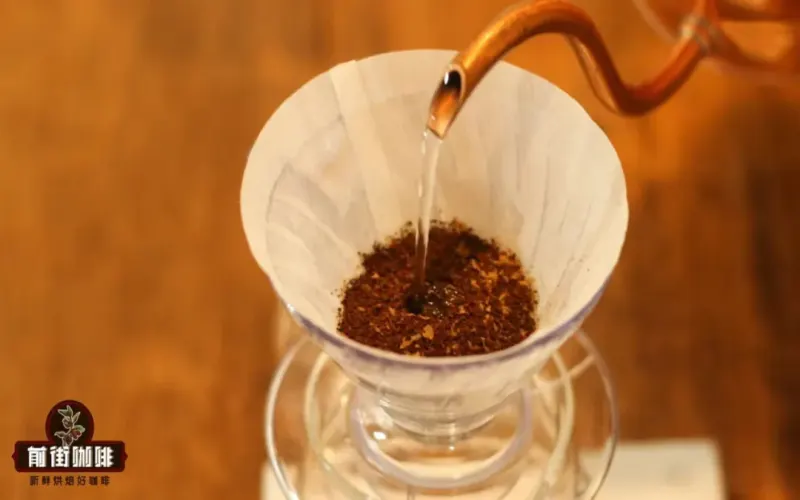
The Evolution of the Three Waves of Coffee: From the Popularization of Instant Coffee to the Pursuit of Quality—Is Instant Coffee Really Harmful to Health?
The development of coffee did not happen overnight, but went through three waves of far-reaching significance. The first wave brought coffee into millions of households in instant form, making it an everyday beverage for the masses; the second wave was sparked by Peet's Coffee founder Peet, who launched a quality revolution that promoted the widespread adoption of Arabica beans and the concept of fresh roasting; the third wave further pushed coffee toward specialization and experiential appreciation. Today, Front Street will sort through the origins and evolution of these three waves, while also answering a common question: is instant coffee actually harmful to your health? By reviewing history, we can more clearly understand the landscape and choices of today's coffee culture. [more…]

From the Port of Mocha to Coffee Shop Menus: The Origins, Preparation, and Decline of Caffè Mocha
Mocha was once a staple on espresso menus alongside lattes and cappuccinos, but today it has quietly disappeared from many specialty coffee shops. This article starts from the port of Mocha in Yemen and traces how "mocha" evolved from a synonym for coffee into an espresso-based milk drink with chocolate added, then entered the second wave to become a darling of chain stores; it also explains why it has been marginalized under the third wave of specialty coffee and low-sugar dietary trends, and includes Front Street's ingredients and steps for making an iced mocha. [more…]
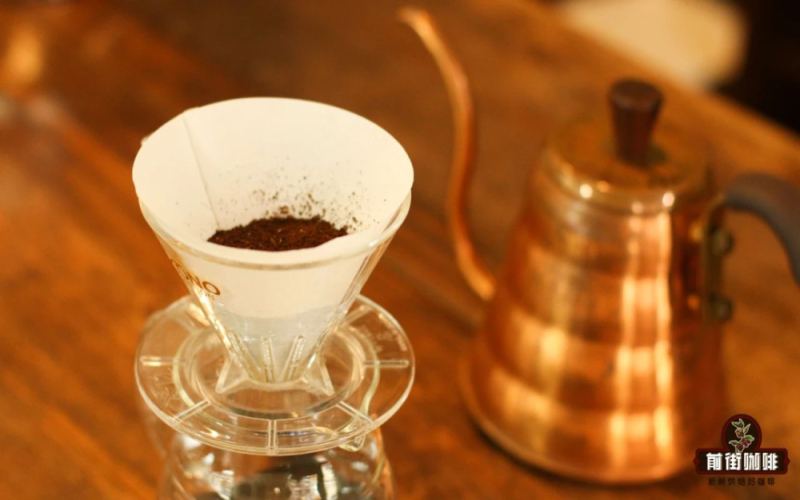
Pour-Over Coffee Beginner's Guide: From Equipment Preparation to Three-Pour Technique, a Detailed Explanation of the Core Points of Japanese-Style Drip Brewing
Pour-over coffee is the most representative brewing method of the third wave of specialty coffee. It uses a dripper paired with a paper filter to filter out the coffee grounds, clearly presenting the flavors of the coffee's region of origin, while the entire brewing process is also quite visually appealing. This article will provide a systematic introduction to pour-over coffee: first, it will outline its historical origins and the cultural differences behind its various English names, then explain one by one the various pieces of equipment needed for brewing and their functions, and finally, using 15 grams of coffee and a 1:15 coffee-to-water ratio as an example, it will break down in detail the complete process of three-stage pouring, helping coffee enthusiasts master the key parameters for consistently producing a delicious cup of pour-over coffee. [more…]

Couple's Indecent Behavior in Coffee Shop Sparks Wave of Negative Reviews, Shop Cooperates with Police Investigation and Issues Statement
Recently, a coffee shop blacklisted a customer after she engaged in excessively intimate behavior with her boyfriend inside the store for a continuous 8 minutes. The customer then posted a malicious negative review on a third-party platform, drawing public attention. The shop retrieved surveillance footage to clarify the truth and cooperated with the police investigation, while also issuing a statement acknowledging its negligence. As the incident escalated, the public began discussing the boundaries of intimate behavior in public places. Lawyers pointed out that indecent behavior may lead to administrative penalties, and those who film and spread the video may also bear legal responsibility. Front Street Coffee reminds everyone to be mindful of their behavior in public places and respect the feelings of others. [more…]
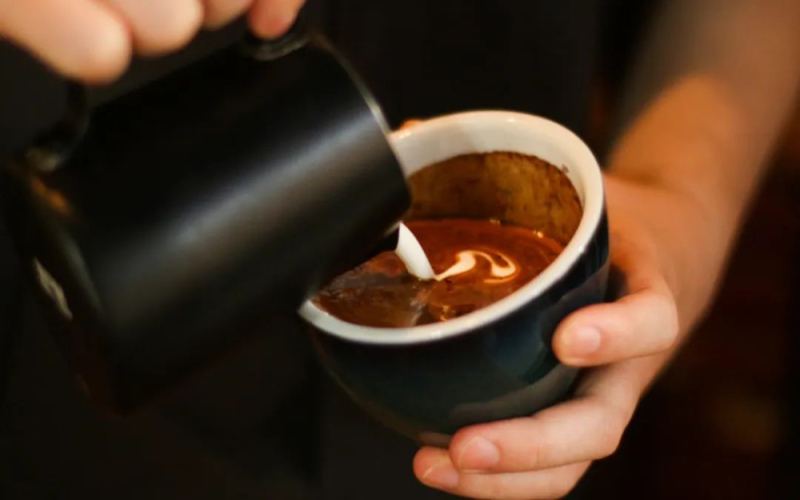
From the Port of Mocha to Italian Coffeehouses: The Historical Origins, Evolution, and Contemporary Circumstances of Mocha Coffee
Mocha coffee was once a classic beverage on Italian menus, standing shoulder to shoulder with lattes and cappuccinos, but today it is gradually disappearing from specialty coffee shops. This article traces the origin of the name "mocha"—from the status of Yemen's Mocha Port as a coffee trade hub, to the Italian mocha created by 18th-century Italians to imitate the chocolate notes of Mocha beans, and then to how it became a dessert-like drink in the second wave of coffee that masked the bitterness of dark roasts. The article also analyzes how the third wave specialty coffee movement and the healthy-eating trend have caused traditional mocha to decline, yet people's love for chocolate-flavored coffee has not faded. Finally, it includes the iced mocha recipe shared by Front Street Coffee for enthusiasts to recreate at home. [more…]
Why Is Mocha Coffee Fading from Menus? A Complete Trace from Yemen's Mocha Port to Italian Chocolate
Mocha was once a classic on Italian menus alongside latte and cappuccino, but it is now increasingly disappearing from specialty coffee shops. Its name originates from the Port of Mocha in Yemen—from the 15th century onward, coffee beans were shipped through this port, and the sacks were marked "MOCHA," so Europeans collectively called the beans exported from there mocha coffee, and in the early period it even became synonymous with coffee. In the 18th century, Italy, in an attempt to recreate the chocolate notes of mocha beans, tried adding cocoa powder to coffee, which later evolved into a chocolate-added milk coffee with the spread of espresso machines. During the second wave, the combination of dark-roasted blend beans with chocolate sauce, cream, and other additions made mocha a representative sweet drink used to mask bitterness. The third wave of specialty coffee emphasized origin flavors, and together with the low-sugar healthy trend, the high-sugar, high-calorie mocha gradually fell out of favor in the market. The article sorts out its historical context and shares Front Street's method and recipe for making iced mocha. [more…]
The Rise of Malaysian Specialty Coffee: From White Coffee Tradition to the Transformation of the Third Wave
Malaysia's specialty coffee culture is undergoing a profound transformation. From Kuala Lumpur to Penang and then to Johor Bahru, a growing number of passionate coffee professionals are driving a shift from traditional white coffee to specialty coffee. This article explores in depth the development of Malaysia's specialty coffee scene, from specialty coffee's initial entry into the market in 2010 to today's proliferation of independent roasting workshops and coffee classrooms. We interviewed several industry pioneers, including Joey Mah, Michael Wilson, Cheryl Lee, and others, who shared how they have advanced the upgrading of the entire industry by educating consumers, improving roasting techniques, and enhancing customer service. At the same time, the article also focuses on the development of key cities such as Penang and Johor Bahru, as well as the efforts of institutions like the Asian Barista Guild in coffee education. For coffee lovers, this is a complete picture for understanding the changes in Malaysia's coffee culture. [more…]

Delivery wars spark a hoarding wave of Luckin's low-priced bread vouchers, with redemption difficulties at stores in many regions exposing supply chain weaknesses.
Competition among food delivery platforms has escalated into a battle of three giants, chain brands' average order values continue to decline, and Luckin's timely launch of low-priced bread vouchers has triggered a frenzy of stockpiling among consumers. However, when users take their electronic vouchers to stores for redemption, they find that baked goods at nearby stores are largely sold out, with some cities even reporting no stock citywide. This buying spree, fueled by platform subsidies, not only reflects consumers' strong demand for high-value-for-money coffee companions but also exposes brands' disconnect between demand forecasting and supply chain response. Staff explained that the thawing process and delivery cycle are the two main reasons for the redemption difficulties. For enthusiasts who love pairing coffee with baked goods, Front Street Coffee has always advocated balancing rational consumption with quality experience, and suggests paying attention to store inventory dynamics and arranging redemption times reasonably. [more…]
Is the English name for Americano actually Americano or drip coffee? Exploring why there is no Americano in the United States itself.
The "plain coffee" often heard in Hong Kong dramas is actually what we call black coffee. But black coffee is not simply coffee without sugar or milk; according to the brewing method, it can be divided into two major categories: drip pour-over coffee and Americano made with an espresso machine. The former represents the third wave of coffee, while the latter originates from the second wave. What is the connection between the name Americano and the United States? What is the correct way to drink it? From the perspective of a Front Street Coffee barista, this article traces the development history of espresso machines, provides a detailed analysis of the origin of the name Americano, its key preparation points and extraction parameters, and compares the flavor differences between espresso and Americano, helping you gain a more comprehensive understanding of this seemingly simple cup of coffee. [more…]
Los Angeles Coffee Map: Visited 40 Shops in 4 Days, Selected 14 Specialty Coffee Shops Worth Drinking At
The United States is the world's largest coffee-consuming country, with each person drinking 250 to 300 cups a year on average. For a long time, the weak flavor of American drip coffee and the burnt bitterness of dark roasts led Europeans to mock it as "sock juice," but the third-wave specialty coffee movement has made the United States a leader. The author went deep into Los Angeles, a major coffee hub on the West Coast, drank at forty shops in four days, and selected fourteen reliable, comfortable, and worthwhile cafes, including the award-winning Portola, Bar Nine, which uses ModBar, and Go get em tiger, owned by barista competition champion Charles Babinski. The article also includes his experience of unexpectedly meeting an idol and his observations on the polarization of American coffee during this trip. This article is recommended for reading by Front Street Coffee. [more…]